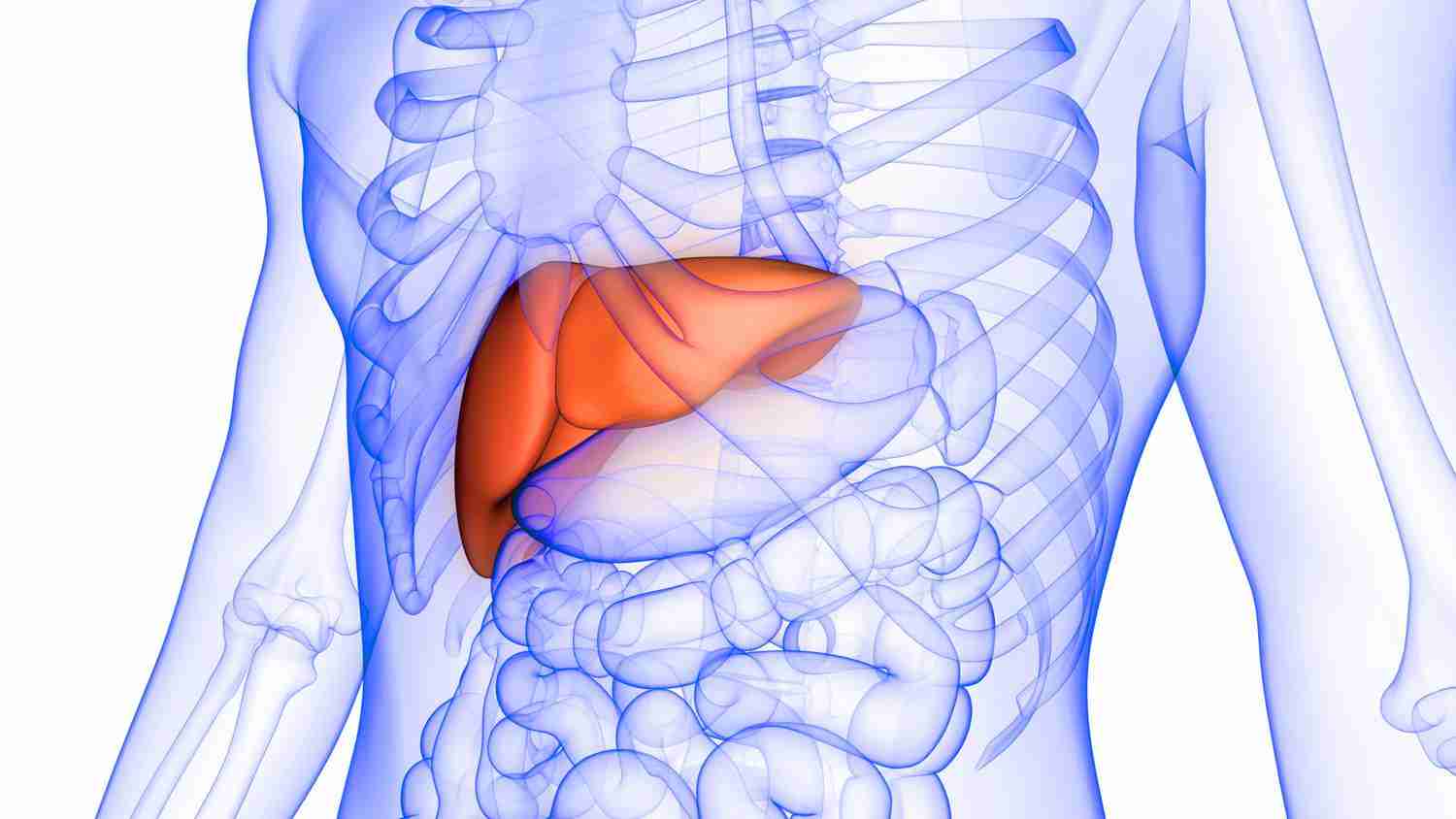
What is an Enlarged Liver?
An enlarged liver, also known as hepatomegaly, refers to a liver larger than normal. It is not a disease itself but a sign of an underlying condition, such as liver disease, heart problems, or cancer. Depending on the cause, it may or may not cause noticeable symptoms.
Symptoms of an Enlarged Liver
- Feeling of fullness or discomfort in the upper right abdomen
- Abdominal pain or tenderness
- Fatigue or weakness
- Jaundice (yellowing of skin or eyes)
- Nausea or loss of appetite
- Unexplained weight loss or swelling
Potential Causes of an Enlarged Liver
- Liver diseases: Hepatitis, fatty liver disease, cirrhosis
- Infections: Viral hepatitis, mononucleosis, abscess
- Cancer: Liver cancer or cancer that has spread to the liver
- Heart failure: Can lead to liver congestion
- Metabolic disorders: Hemochromatosis, Wilson’s disease
- Alcohol abuse or medication toxicity
Who is at Risk for an Enlarged Liver?
- People with chronic liver disease or hepatitis
- Heavy alcohol users
- Individuals with obesity or diabetes
- Those with a family history of liver or metabolic disorders
- Cancer patients with known metastasis risk
Risk Reduction or Preventative Measures for an Enlarged Liver
- Limiting alcohol intake
- Maintaining a healthy weight and diet
- Managing chronic conditions like diabetes and high cholesterol
- Getting vaccinated against hepatitis A and B
- Avoiding unnecessary medications or toxins that affect the liver
- Regular liver function monitoring if at risk
Potential Course of Treatment for an Enlarged Liver
- Treating the underlying cause: e.g., antivirals for hepatitis, lifestyle changes for fatty liver
- Medications: To manage liver inflammation or metabolic conditions
- Avoiding hepatotoxic substances, Like alcohol and certain medications
- Monitoring and follow-up imaging or blood tests
- Surgical or oncologic intervention: If caused by tumors or cancer
CareMVP MRI Role in Diagnosing an Enlarged Liver
CareMVP helps by:
- Identifying signs and symptoms during routine exams
- Ordering diagnostic tests, such as liver function tests, ultrasounds, or CT scans
- Coordinating care with specialists like hepatologists or oncologists
- Monitoring progression or resolution of liver enlargement
- Educating patients on liver health and lifestyle adjustments