
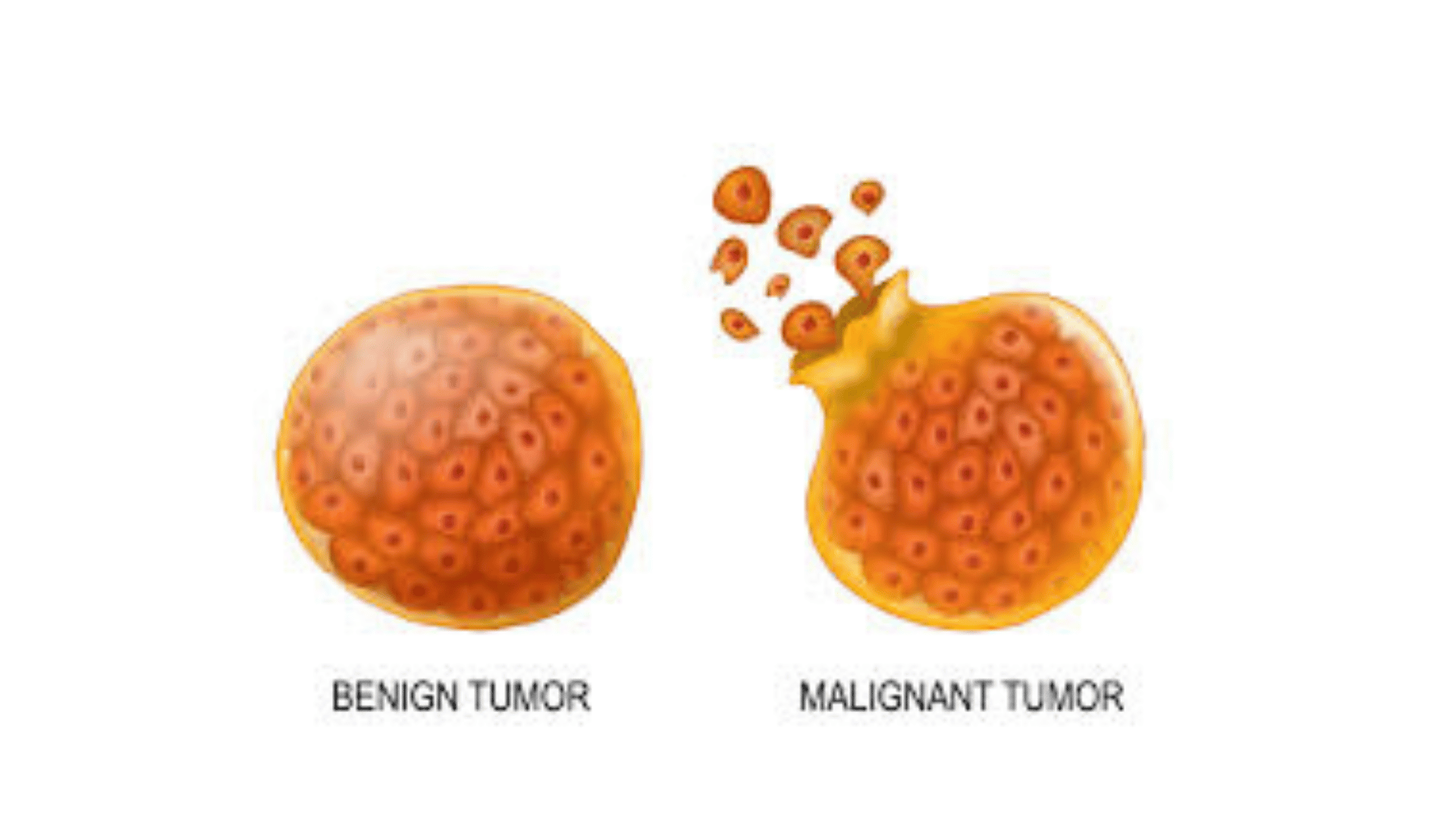
What is a Benign Tumor?
A benign tumor is a non-cancerous mass of cells that grows in the body. Unlike malignant tumors, benign tumors do not invade surrounding tissues or spread to other parts of the body. They are generally considered harmless but may still cause symptoms depending on their size and location. While benign, they may require treatment if they press on vital organs or structures.
Symptoms of a Benign Tumor
Symptoms vary based on the tumor’s size, location, and type. Many benign tumors are discovered incidentally during imaging for unrelated reasons. When symptoms occur, they may include:
- A noticeable lump or Swelling
- Localized Pain or tenderness
- Pressure on nearby organs or tissues
- Headaches (for brain tumors)
- Changes in vision, hearing, or movement (if nerves are affected)
- Hormonal imbalances (if the tumor is in a gland)
Potential Causes of a Benign Tumor
- Genetic mutations
- Chronic inflammation
- Trauma or injury
- Hormonal imbalances
- Exposure to radiation
- Congenital conditions
Who is at Risk for a Benign Tumor?
- Individuals with a family history of of benign or hereditary tumors
- Exposure to hazardous chemicals or radiation
- Chronic infections or inflammation
- Age – some benign tumors are more common in certain age groups
- Hormonal Fluctuations, particularly in women
Risk Reduction or Preventative Measures for a Benign Tumor
- Avoid unnecessary radiation exposure
- Maintaining a healthy lifestyle
- Regular medical screenings for early detection and any abnormal growths
- Limiting hormone therapy unless medically necessary
- Monitoring chronic conditions like diabetes and thyroid disorders
Potential Course of Treatment for a Benign Tumor
Treatment depends on tumor’s type, size, and whether it causes symptoms. Options include
- Observation only ( if the tumor is stable and asymptomatic)
- Surgical removal, especially if the tumor is growing or causing problems
- Medication to manage symptoms (e.g., pain, inflammation, or hormone regulation)
- Minimally invasive procedures, such as laser ablation or embolization
- Regular monitoring with imaging to track changes over time
CareMVP MRI Role in Diagnosing a Benign Tumor
At CareMVP, we are committed to accurate and timely diagnosis of bengn tumors by offering:
- High-resolution imaging services, Utrasound, MRI, CT, and X-ray
- Skilled radiologists trained to differentiate between benign and suspicious growthsy
- Patient-focused care , providing clear communication and support throughout your diagnostic journey
- Follow-up imaging and collaboration with your healthcare provider for ongoing monitoring or treatment planning