
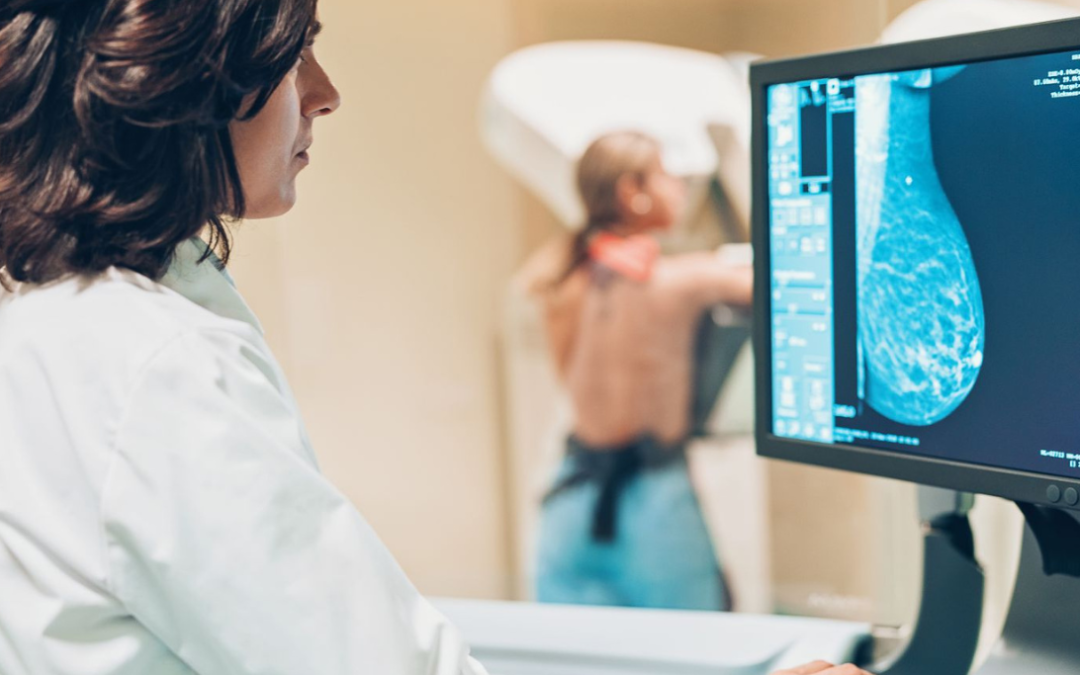
When it comes to breast cancer detection, there’s no one-size-fits-all solution. Each woman’s age, risk level, and health history influence which screening method is most effective. Understanding the different options available can help you make confident, informed decisions about your health.
Mammograms: The Gold Standard for Screening
Mammograms remain the most widely recommended tool for early breast cancer detection. Using low-dose X-rays, they can detect lumps or abnormalities that are too small to be felt.
Women aged 40 and older are generally advised to schedule annual mammograms, while those with higher risk factors such as family history or genetic predisposition, may need to start screening earlier. For many, mammograms are the first line of defense in early detection.
Ultrasounds and MRIs: Supporting and Specialized Imaging
Ultrasound scans are often used as a follow-up when mammogram results are unclear or when breast tissue is dense, which can make X-ray imaging less effective.
Ultrasounds provide a clearer view of soft tissue and are often used for younger women who are not yet recommended for routine mammograms.
For women with very high risk factors, MRI scans may be suggested. They are highly sensitive and can detect cancers that mammograms might miss. However, because of their cost and sensitivity, MRIs are generally reserved for specific cases rather than routine use.
Whole Body Scans: A Comprehensive Preventive Option
At CareMVP, we offer Whole Body Scans designed to detect abnormalities throughout the body not just the breasts. This advanced imaging provides a proactive, holistic view of your health, helping identify potential concerns before symptoms arise.
While a Whole Body Scan is not a replacement for mammograms or clinical breast exams, it can complement traditional screenings by broadening the scope of detection. It’s an ideal option for individuals who want a more comprehensive health overview.
Choosing the Right Screening for You
The right test depends on your personal risk profile, age, and medical history. Consulting with your healthcare provider ensures you choose the most appropriate screening method for your needs.
As Breast Cancer Awareness Month reminds us, proactive screening and early detection are key. By understanding your options and staying up to date with checkups, you can take powerful steps toward lifesaving early detection and long-term health.