
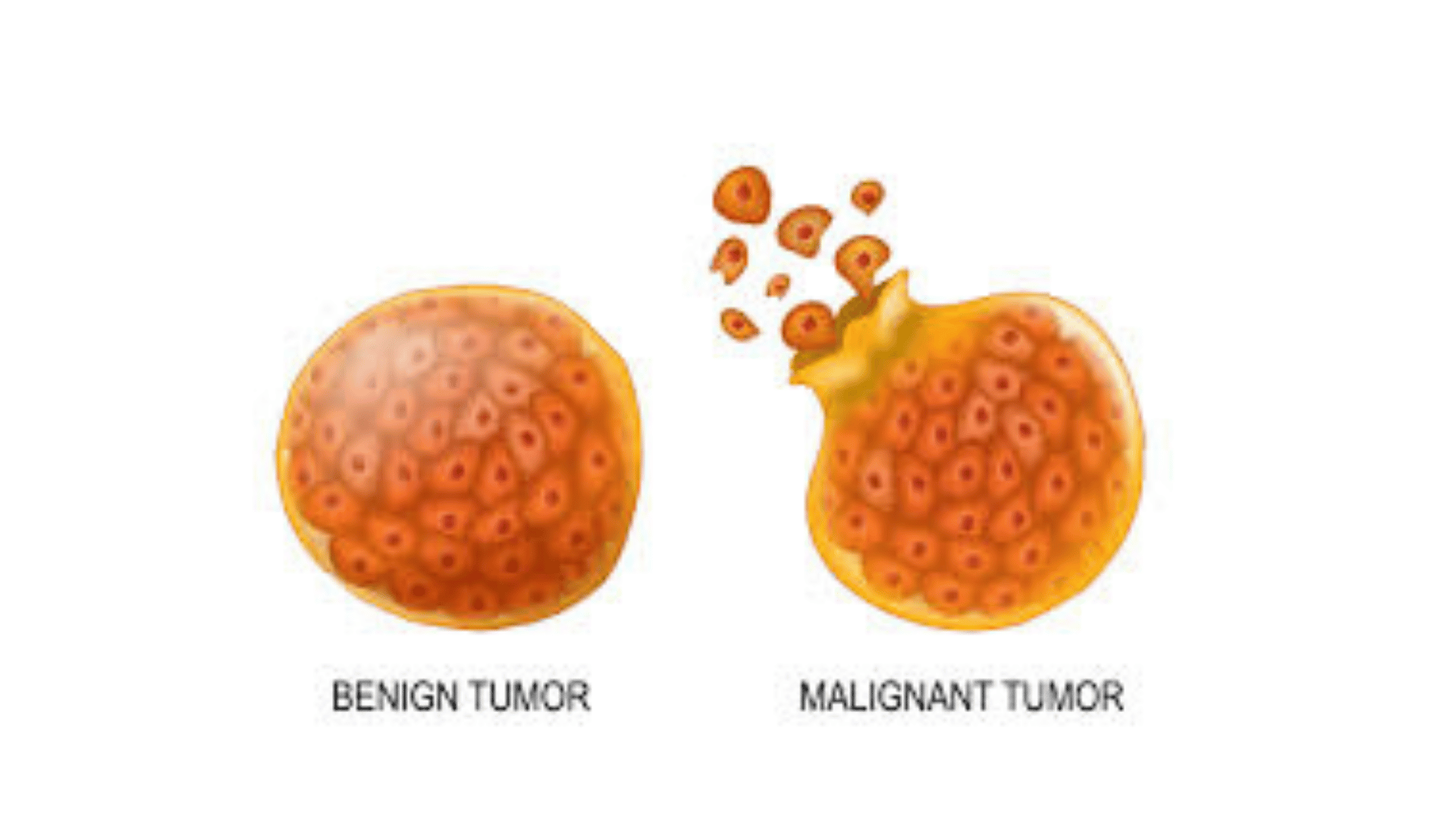
What is a Malignant Tumor?
A malignant tumor is a cancerous growth made up of abnormal cells that grow uncontrollably and can invade nearby tissues or spread (metastasize) to other parts of the body. Malignant tumors pose a significant health risk and require prompt diagnosis and treatment. They may develop in any tissue or organ and vary in aggressiveness depending on the type and location.
Symptoms of a Malignant Tumor
Symptoms vary based on the tumor’s size, location, and whether it has spread. Common symptoms include:
- A persistent lump or mass
- Unexplained weight loss
- Fatigue or weakness
- Pain that doesn’t go away or worsens over time
- Changes in bowel or bladder habits
- Unusual bleeding or discharge
- Changes in skin or moles
- Persistent cough or hoarseness
Some malignant tumors may remain silent in early stages, making early detection through screening critical.
Potential Causes of a Malignant Tumor
Malignant tumors form due to genetic mutations that disrupt normal cell regulation. These mutations can be:
- Inherited (from family history)
- Acquired (from environmental or lifestyle factors)
Common contributing factors include:
- Tobacco use
- Excessive alcohol consumption
- Exposure to carcinogens (e.g., asbestos, UV radiation, pollution)
- Viral infections (e.g., HPV, hepatitis B/C)
- Chronic inflammation
- Poor diet and sedentary lifestyle
Who is at Risk for a Malignant Tumor?
While cancer can affect anyone, certain factors increase the risk:
- Family history of cancer
- Older Adults
- Smoking or heavy alcohol use
- Obesity and poor nutrition
- Prolonged sun exposure
- Exposure to radiation or hazardous chemicals
- Immunocompromised individuals
- Chronic infections or inflammatory conditions
Risk varies depending on the type of cancer (e.g., lung, breast, colon, etc.).
Risk Reduction or Preventative Measures for a Malignant Tumor
- Avoid smoking and limit alcohol
- Eat a diet rich in fruits, vegetables, and fiber
- Exercise regularly
- Maintain a healthy weight
- Use sunscreen and avoid tanning beds
- Get vaccinated (e.g., HPV, hepatitis B)
- Attend regular screenings (e.g., mammograms, colonoscopies, Pap smears)
- Manage chronic conditions and stress
Potential Course of Treatment for a Malignant Tumor
Treatment of malignant tumors is tailored to the type, stage, and location of the cancer. Common treatments include:
- Surgery to remove the tumor
- Chemotherapy to kill cancer cells throughout the body
- Radiation therapy to target localized tumors
- Immunotherapy to help the immune system fight cancer
- Targeted therapy that attacks specific cancer cell features
- Hormone therapy (for hormone-sensitive cancers like breast or prostate)
A multidisciplinary approach is often used, involving oncologists, radiologists, surgeons, and other specialists.
CareMVP MRI Role in Diagnosing a Malignant Tumor
At CareMVP, we play a critical role in the early detection and diagnosis of malignant tumors through:
- State-of-the-art imaging technology including MRI, CT, PET, ultrasound, and X-rays
- Expert interpretation by experienced radiologists trained in identifying cancerous changes
- Image-guided biopsy services for accurate tissue sampling and diagnosis
- Rapid reporting and collaboration with referring physicians to guide timely treatment decisions
- Ongoing monitoring and follow-up imaging to assess treatment response and detect recurrence