
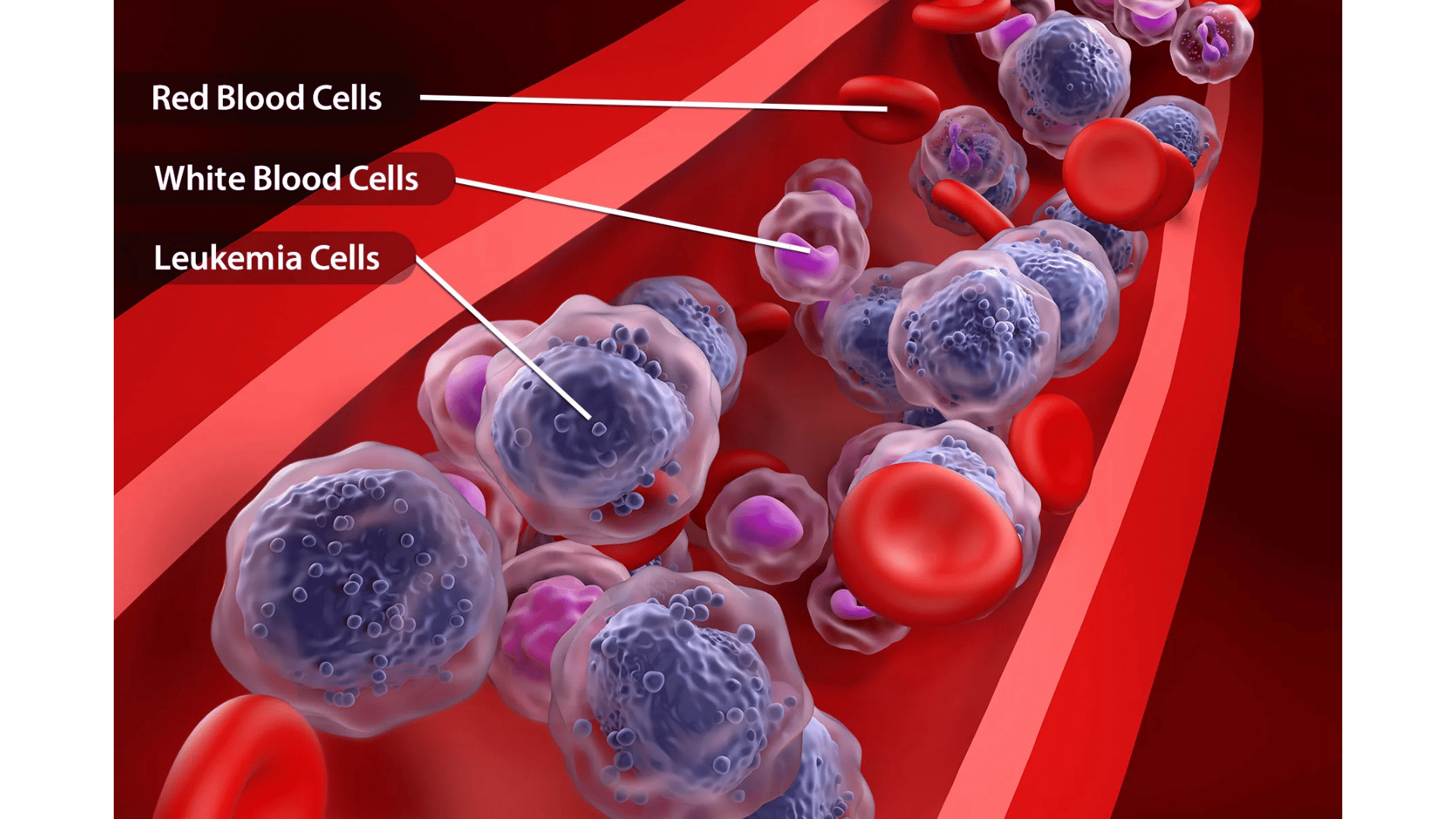
What is Leukemia?
Leukemia is a type of cancer of the blood and bone marrow, characterized by the uncontrolled production of abnormal white blood cells. These cells interfere with the normal function of the blood, affecting the body’s ability to fight infection, carry oxygen, and stop bleeding.
Leukemia is classified into four main types:
- Acute lymphoblastic leukemia (ALL)
- Acute myeloid leukemia (AML)
- Chronic lymphocytic leukemia (CLL)
- Chronic myeloid leukemia (CML)
Symptoms of Leukemia
- Fatigue or weakness
- Frequent infections or fevers
- Easy bruising or bleeding (e.g., nosebleeds, gum bleeding)
- Bone or joint pain
- Swollen lymph nodes, liver, or spleen
- Unexplained weight loss or night sweats
- Pale skin or anemia-related symptoms
Potential Causes for Leukemia
- Genetic mutations in blood-forming cells
- Radiation exposure or chemotherapy
- Chemical exposure: Benzene, pesticides
- Inherited genetic disorders: Down syndrome, Fanconi anemia
- Smoking (increased risk of certain types)
- In most cases, the exact cause is unknown
Who is at Risk for Leukemia?
- Individuals with a family history of blood cancers
- Those previously treated with radiation or chemotherapy
- People with genetic syndromes
- Smokers (especially for AML)
- Older adults (for CLL and AML); children (more common for ALL)
- Individuals with certain blood disorders, like myelodysplastic syndrome
Risk Reduction or Preventative Measures for Leukemia
While leukemia often cannot be prevented, some general measures include:
- Avoiding exposure to harmful chemicals and radiation
- Not smoking
- Managing chronic illnesses and immune health
- Regular medical check-ups if at higher risk
- Genetic counseling for individuals with a family history
Potential Course of Treatment for Leukemia
- Chemotherapy: Main treatment for most types
- Targeted therapy: Drugs that target specific cancer cell abnormalities
- Immunotherapy: Helps the immune system fight leukemia cells
- Radiation therapy: In specific cases
- Stem cell or bone marrow transplant: For eligible patients
- Supportive care: Blood transfusions, antibiotics, symptom management
CareMVP MRI Role in Diagnosing Leukemia
CareMVP supports early detection and care by:
- Recognizing early warning signs and ordering initial blood tests (CBC, peripheral smear)
- Coordinating referrals to hematology/oncology specialists
- Supporting diagnostic procedures, such as bone marrow biopsies
- Monitoring treatment side effects and lab values
- Educating patients and families about the diagnosis, treatment plan, and support resources