
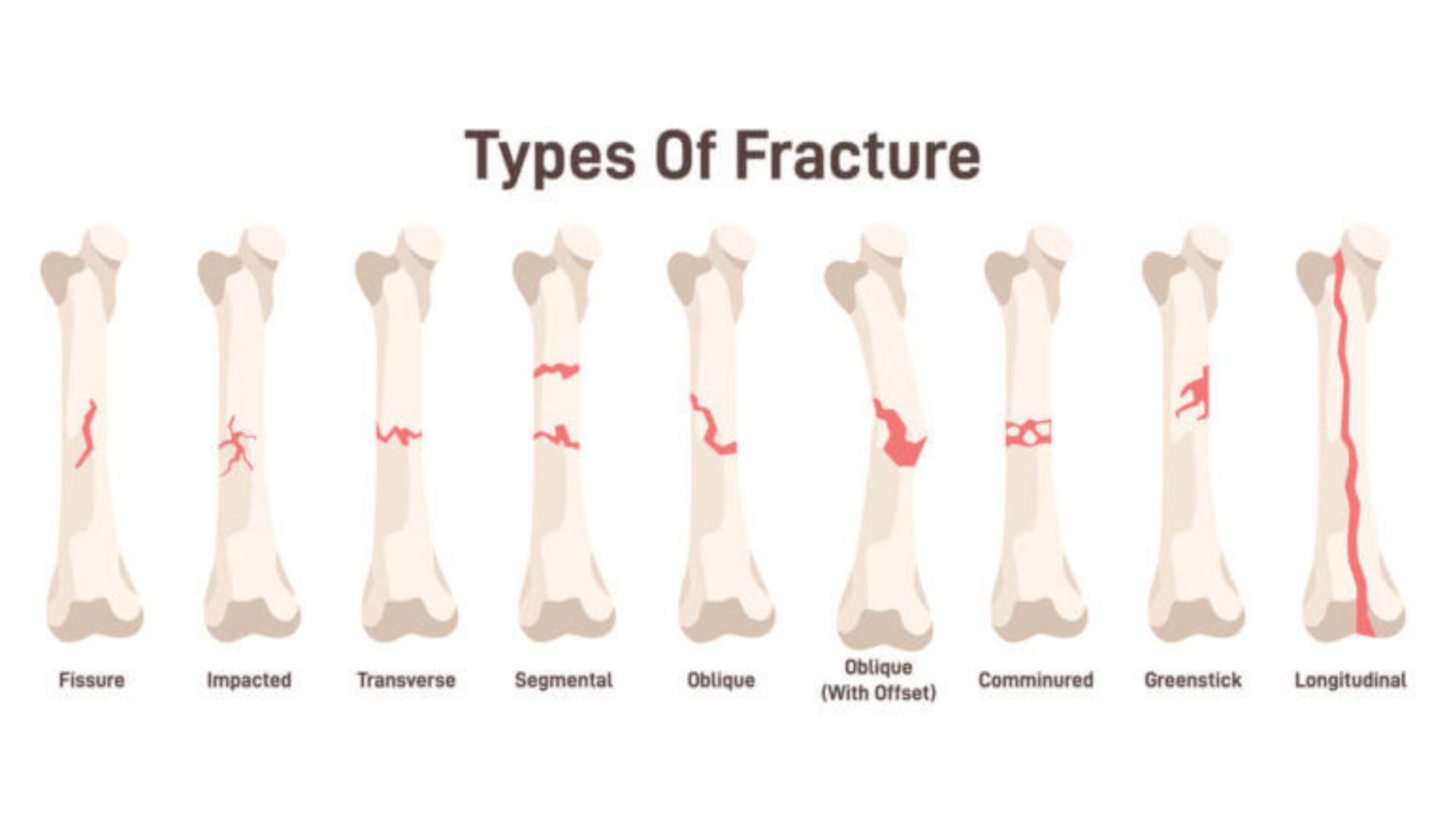
What is Bone Fracture?
Bone abnormalities refer to any irregularities or disruptions in the normal structure or function of bone. One of the most common and serious types of bone abnormalities is a fracture, which is a break or crack in the bone. Fractures can range from minor hairline cracks to complete breaks and may result from trauma, repetitive stress, or underlying medical conditions such as osteoporosis or cancer.
Symptoms of a Bone Fracture
Symptoms of a bone fracture typically appear immediately after injury, but in some cases, such as stress fractures or pathological fractures, they can be more subtle. Common symptoms include:
- Sudden, severe pain at the site of the injury
- Swelling, bruising, or tenderness
- Inability to bear weight or move the affected limb
- Visible deformity or bone protrusion (in severe cases)
- A cracking or popping sound at the moment of injury
- Loss of function or strength in the affected area
Potential Causes of Bone Fracture
- Acute trauma – falls, car accidents, sports injuries
- Overuse or repetitive stress – especially in athletes (stress fractures)
- Osteoporosis – weakened bones prone to breaking from minor stress
- Bone tumors or metastases – which can erode bone structure (pathologic fractures)
- Congenital bone disorders – like osteogenesis imperfecta
- Infections – such as osteomyelitis, weakening bone tissue
Who is at Risk for a Bone Fracture?
- Elderly individuals, particularly postmenopausal women
- People with osteoporosis or other metabolic bone diseases
- Athletes or individuals with repetitive strain on specific bones
- Cancer patients, especially those with bone metastases
- Individuals with poor nutrition (low calcium/vitamin D)
- Those with balance or mobility issues, increasing fall risk
Risk Reduction or Preventative Measures for Bone Fracture
Many fractures can be prevented by strengthening bones and minimizing injury risk:
- Maintaining strong bones through a calcium- and vitamin D–rich diet
- Engaging in weight-bearing exercise to improve bone density
- Avoiding smoking and excessive alcohol, which weaken bones
- Managing chronic conditions like osteoporosis with medications
- Wearing protective gear during high-risk activities or sports
- Fall prevention measures for older adults (e.g., home safety checks)
Potential Course of Treatment for a Bone Fracture
Treatment depends on the type, location, and severity of the fracture. Options include:
- Immobilization with casts, splints, or braces
- Realignment of bones (closed reduction)
- Surgical intervention (open reduction and internal fixation with rods, screws, or plates)
- Pain management with medications
- Physical therapy to restore strength and mobility
- Treatment of underlying conditions (e.g., osteoporosis or bone cancer)
Healing times vary but often range from 6 to 12 weeks, depending on the patient’s age, health, and type of fracture.
CareMVP MRI Role in Diagnosing a Bone Fracture
At CareMVP, we play a vital role in the early detection, classification, and monitoring of bone fractures through:
- High-resolution digital X-rays for initial evaluation of bone injury
- CT scans for complex or joint-related fractures
- MRI for detecting subtle fractures, stress fractures, or associated soft tissue damage
- Bone scans to assess fractures caused by disease or infection
- Radiologist expertise to differentiate between traumatic, stress, and pathological fractures
- Comprehensive imaging reports to assist orthopedic and trauma teams in planning treatment